SPEAKERBOXXX:
The Past, Present & Forever
The examination of music and the zeitgeist of its presence as an entity and prominence in culture; though it is invisible it always tangible, it is always seen; always listening;
documenting; transporting and foreshadowing.
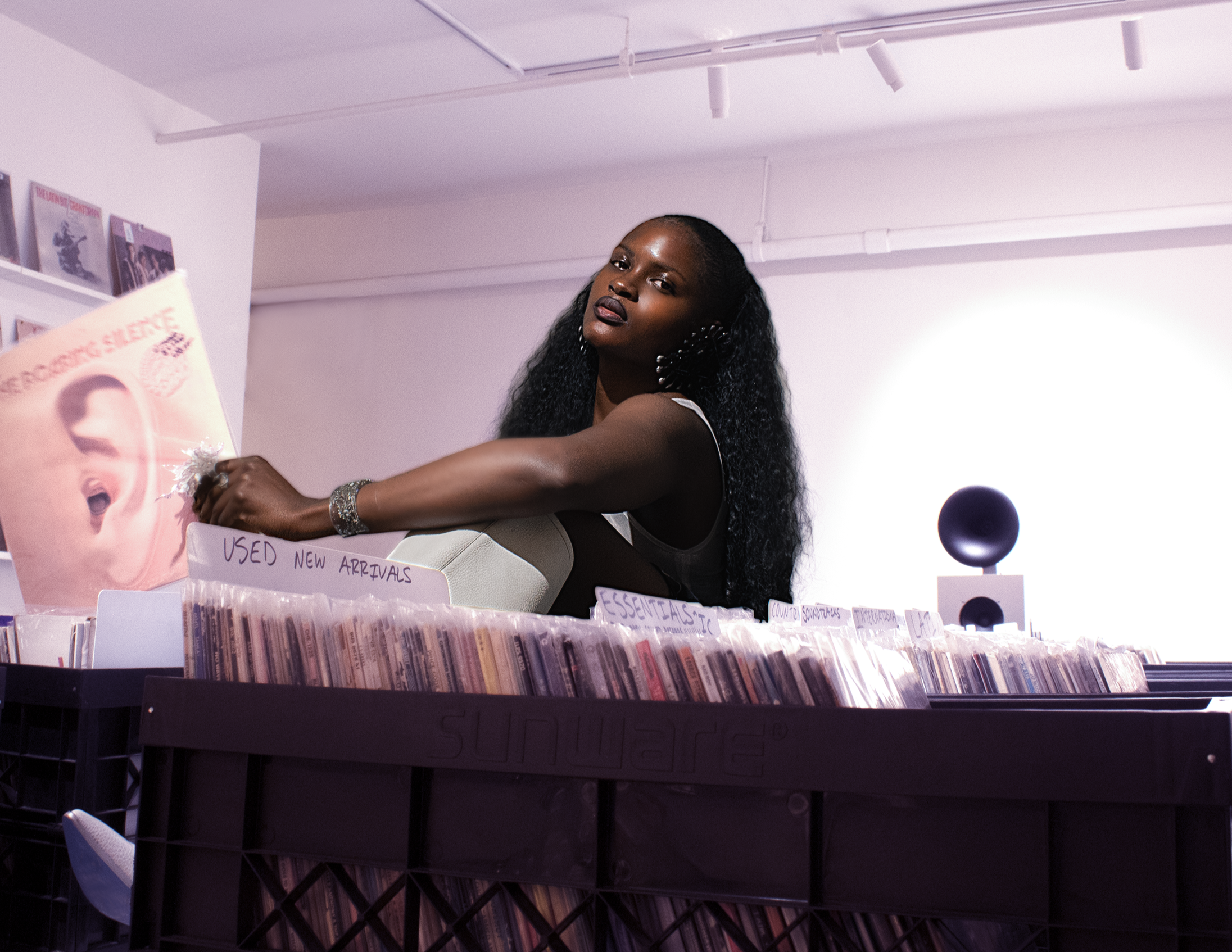
We are increasingly drifting into a world of the intangible. The hand written fallen to email, the printed photographs morphed and reshaped into pixels on a screen, Performance, memory and even love have again migrated into the black scrying mirror of a screen. The digital ether, untethered from the physical world that once held them. Though echos of man have morphed into an electronic entity I do not think we have lost our bodies in this new translation. I think of it as an extension or another half of ourselves. Just as a mother gives birth to an extension of herself, the collective of man has given birth to an extension of our physical existence.
Looking closely enough into the technical world you can find reflections the living. Veins become wiring, the brain becomes a hard drive, the screen becomes an eye; not replacing it but extending it. We could say it is a meteor but for technologies role in our lives, it is an observation. The Architecture of our biology rhyme with one another so precisely that the boundary between the two has become genuinely difficult to differentiate.
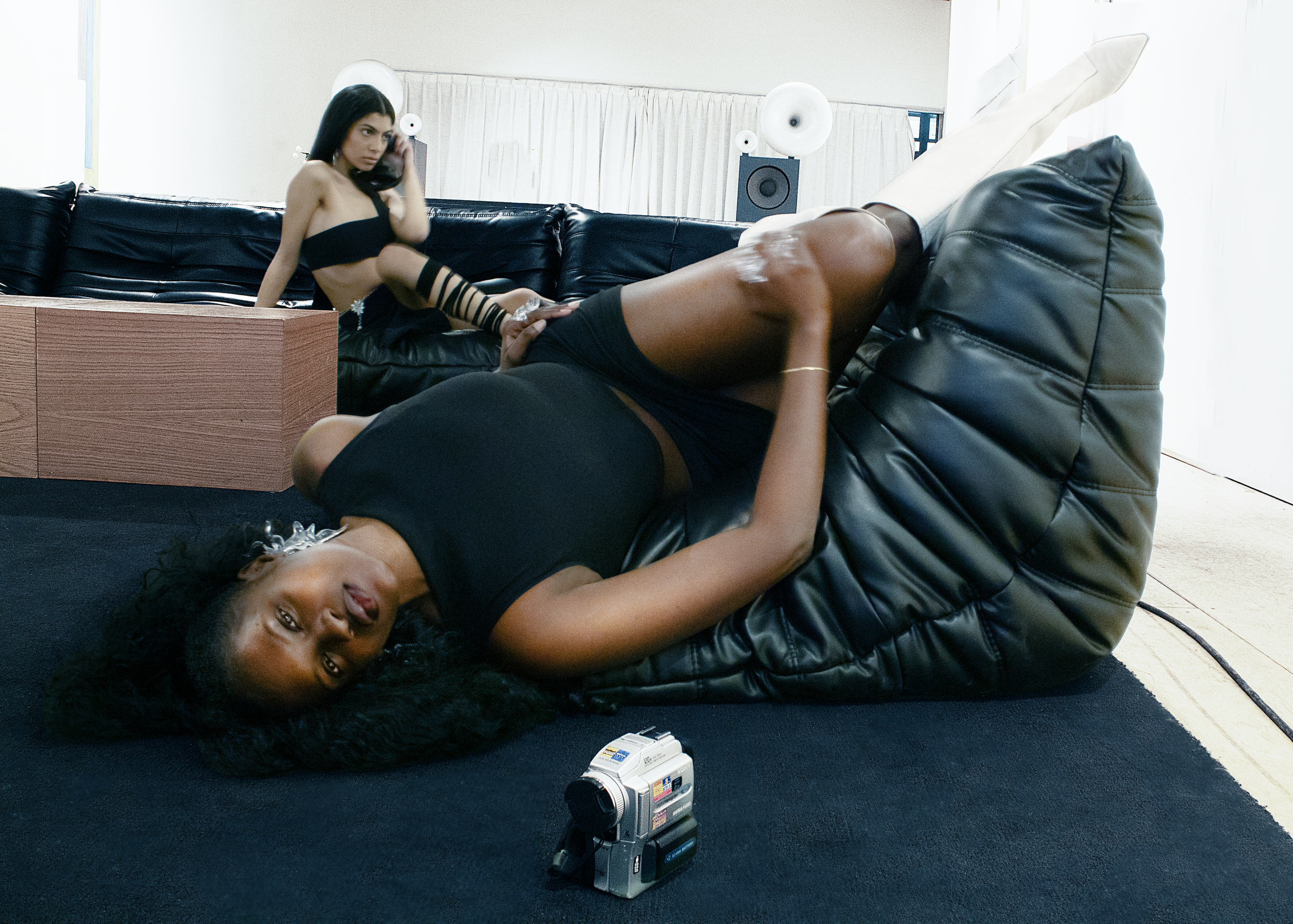
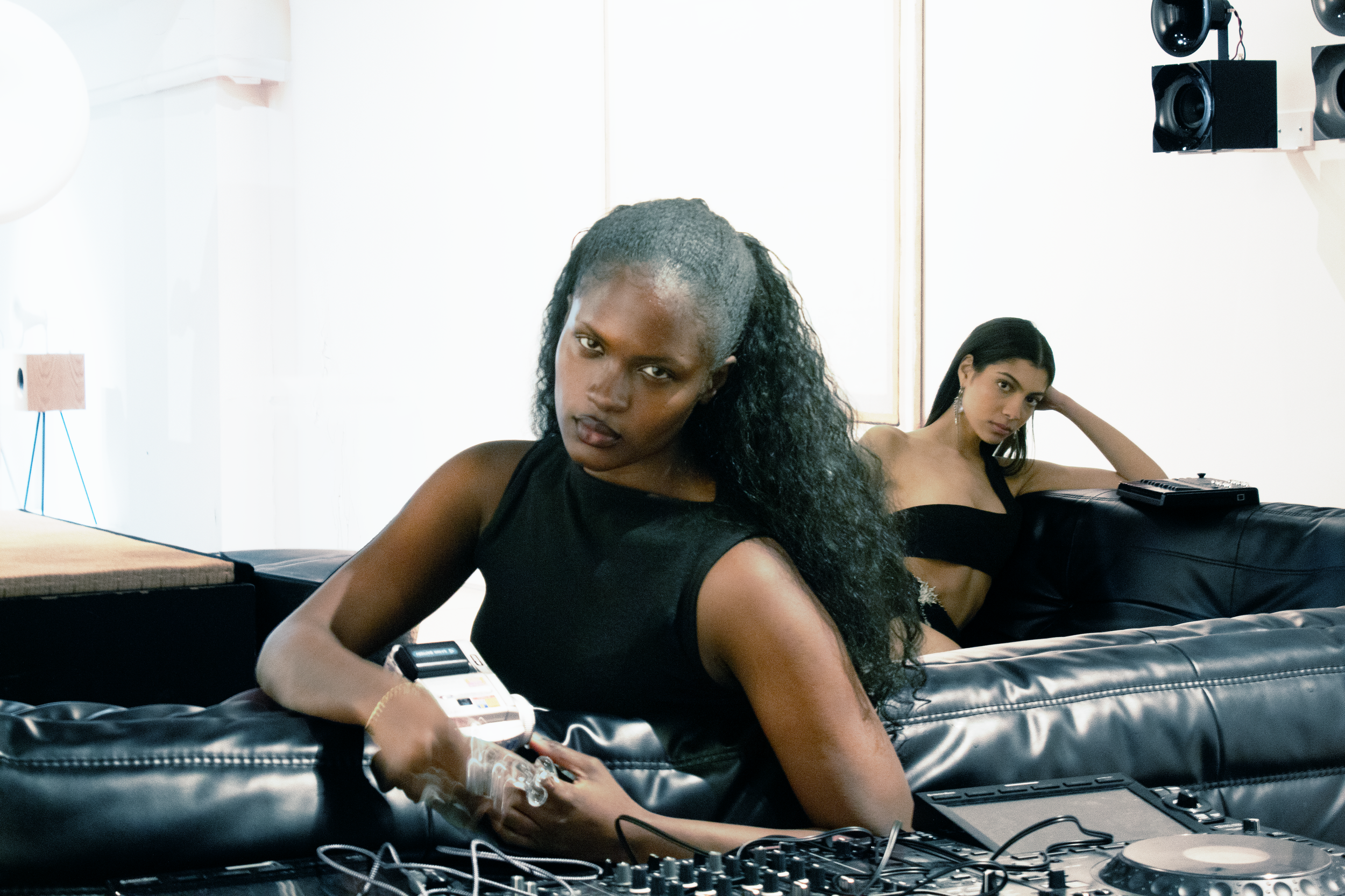
That boundary dissolves further when we consider how intrinsically intertwined our lives are now that we depend on this digital body. Through health, in diagnostics, in study, in the incubation of life and its many variants itself; technology is no longer a tool we pick up and set down. It sustains us. Just as the earth generates warmth and captures It from our nearest star, the digital world generates continuity: for families, for agriculture, for the accumulation of knowledge and archiving its transformations that would otherwise be lost. The imagination of a future leans on it.
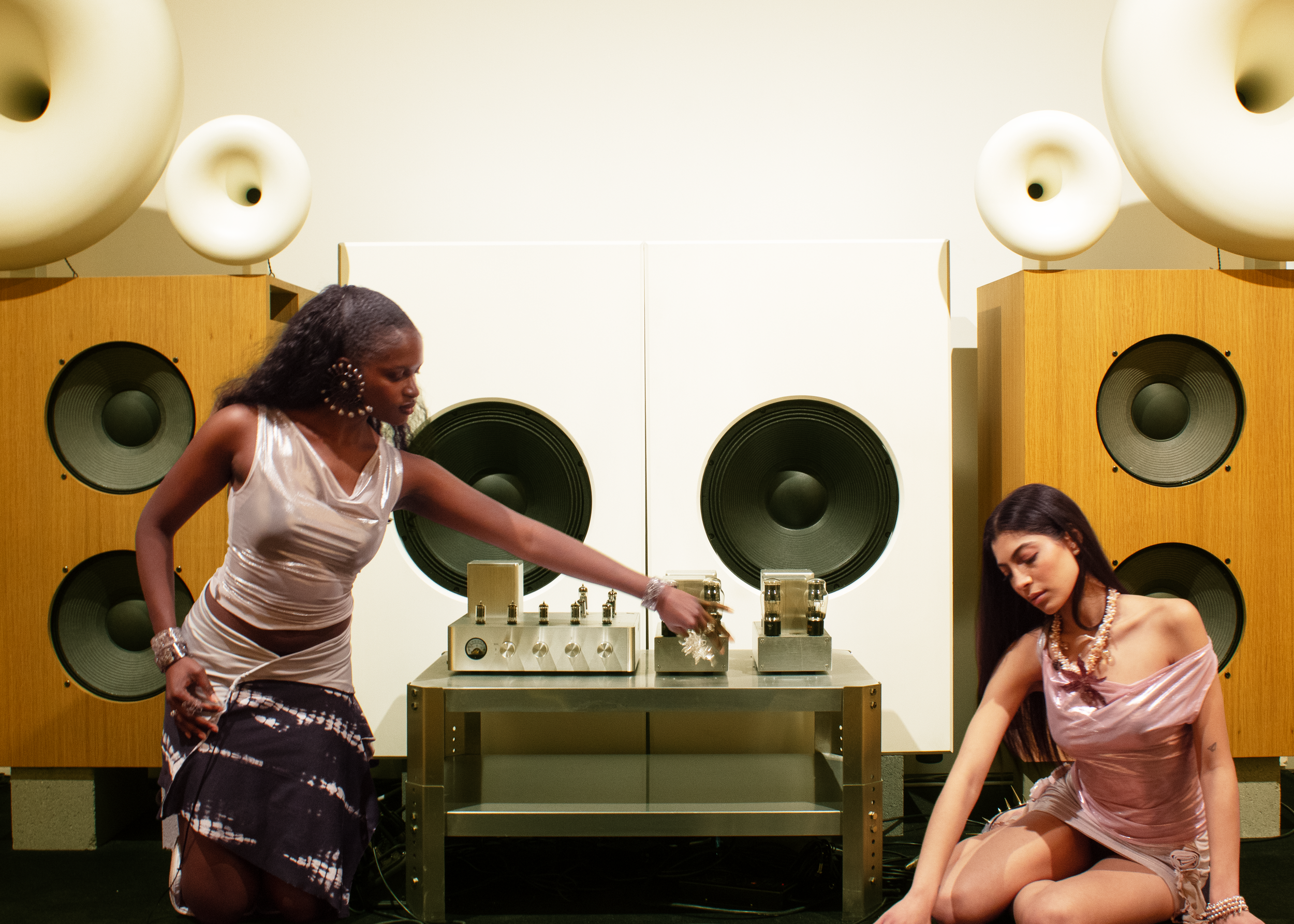
Music, I find to be the most visceral. It is itself a translation or an offspring of the sense of hearing, an echo of feeling made physical through breath and brass and string. If a cell could speak, if a heart could express itself in language, the voice would form it and the speaker would amplify it. Instruments like a trumpet become an antenna, converting interior life into something that slices through air and enters another body close to instantaneously. Sound, in this way, has always done what we now ask of technology: carry the human signal across the gap.
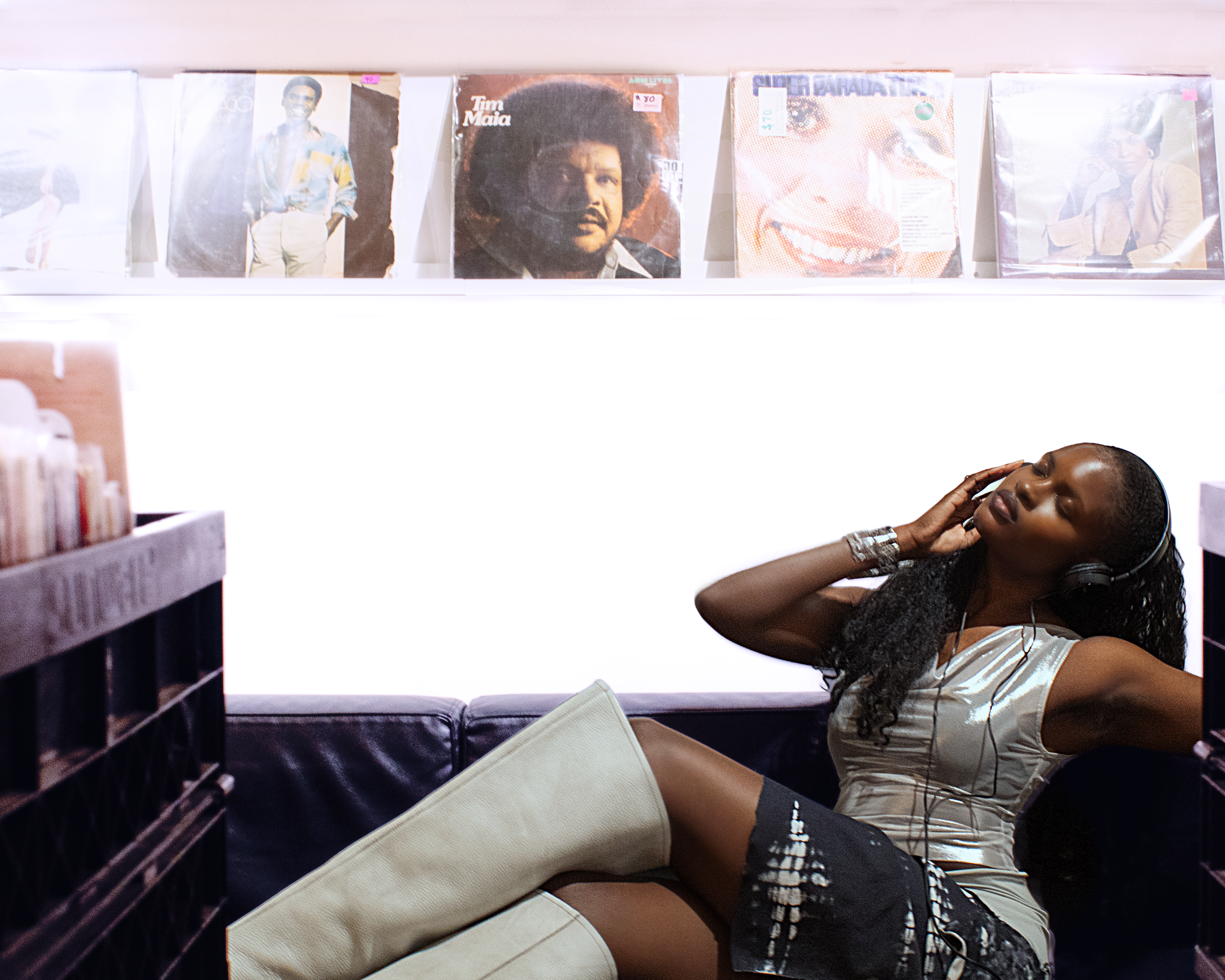

The question, then, is not whether we are becoming intertwined with the machines we have made. We already are. The question is whether we remain conscious of what our purpose with it becomes; whether we recognize ourselves in the reflection, or whether, like all mirrors, it begins to show us only what we want to see or will it show us what we can’t.
-
![]()
-
![]()
-
![]()
-
![]()
New List Item
-
![]()
-
![]()